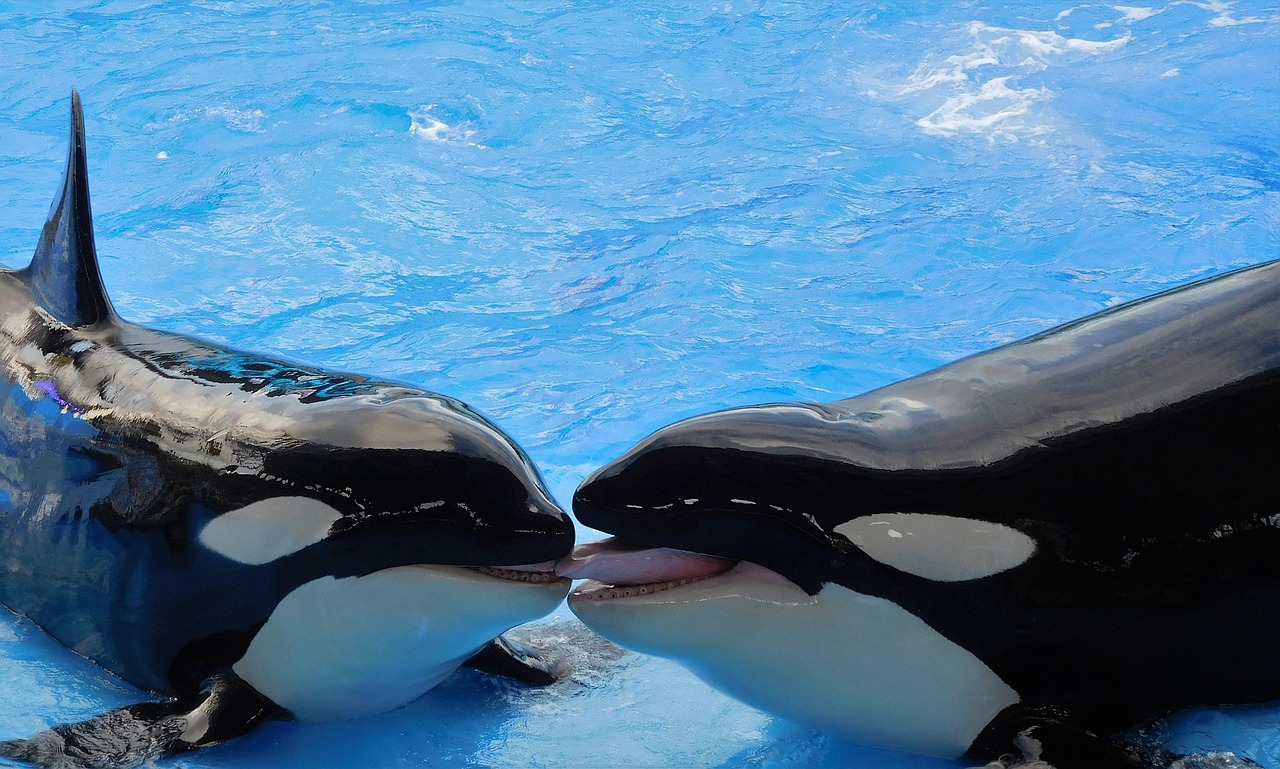
Sant Ocean Hall, Smithsonian National Museum of Natural History
The ocean on the National Mall, free
⏱ 1-2 hours👤 All agesFree
Get Tickets
Get Sant Ocean Hall Tickets
Skip the line · mobile tickets accepted at the door
The hall works because it treats the ocean as one system. The right whale overhead tells the conservation story of a species that has edged toward extinction; the giant squid shows how much of the deep is still unexplored; the fossils remind you that sharks are far older than dinosaurs; and the living reef tank shows what healthy coral looks like before you read about bleaching. The Smithsonian's Ocean Portal team keeps the science current.
How to see it: enter from the Mall and go straight to the rotunda, then the Ocean Hall is immediately off it. Give the reef tank five quiet minutes with the species guide, find the giant squid, and stand under the whale before the hall fills. Families can pair it with the museum's dinosaur and mammal halls; there is plenty for a whole morning. Two exhibits are easy to miss: the coelacanth display, with an adult and a pup of a fish once thought extinct for 65 million years until one was caught off South Africa in 1938, and the larger giant squid, a 24-foot female preserved in about 1,800 gallons of fluid. The Ocean Explorer Theater runs a short virtual submersible dive with scientists, a good seated break for children.
Practicals: admission to the museum is free and no timed pass is normally required. The Smithsonian Metro stop on the Mall is the easiest approach. Pair it with the National Aquarium, about an hour north in Baltimore, for a two-day mid-Atlantic ocean trip.
What to Expect
Format
A large ocean hall in the free Smithsonian natural history museum — a life-size right whale model, giant squid, megalodon jaws, deep-sea and ocean-science galleries, and a living coral reef tank.
Best Time
Right at opening, or late afternoon once school groups leave; weekday mornings in spring are busiest.
Duration
One to two hours for the hall, a full morning with the rest of the museum.
Tips
Go to the Ocean Hall first, before crowds. Spend time at the reef tank. Use Metro rather than hunting for Mall parking.
⚡ Quick Picks
Best For
The best free ocean experience in the country — scale, specimens and science.
Families
Excellent — whale overhead, giant squid, megalodon jaws, and the dinosaurs next door.
Couples
A thoughtful, free Washington morning before a walk on the Mall.
Pair With
The National Aquarium in Baltimore for the live-animal half of the story.
Time Needed
One to two hours.
Ready to book Sant Ocean Hall?
Get Tickets →Frequently Asked Questions
Is the Sant Ocean Hall free?
Yes — it is inside the Smithsonian National Museum of Natural History, which has free admission.
Are there live animals?
Some — a living Indo-Pacific coral reef aquarium with anemones, urchins, shrimp and reef fish. Most of the hall is specimens, models and science exhibits.
Is the whale real?
It is a life-size model of Phoenix, a real North Atlantic right whale studied by scientists for many years.
Can I see a giant squid?
Yes — preserved giant squid specimen displays are among the hall's most famous exhibits.
How does it fit an aquarium trip?
It gives context for everything you see in aquariums and pairs naturally with Baltimore's National Aquarium, about an hour north.
More Aquarium Attractions
Browse all →
National Aquarium
Baltimore's glass-pyramid icon — the Inner Harbor landmark that ascends through a dripping tropical rainforest to ring-shaped shark and ray tanks, with an Australian river gorge, dolphins, and the best one-way flow design in the field.
New York Aquarium
The city's aquarium on the Coney Island boardwalk — founded in 1896, rebuilt after Hurricane Sandy around Ocean Wonders: Sharks!, with sea otters, sea lions and penguins on the open-air Sea Cliffs and the Atlantic a few steps away.

Adventure Aquarium
Philadelphia's aquarium, across the river in Camden — a shark bridge strung over the Northeast's biggest shark collection, a walk-through shark tunnel, penguins, and a pair of Nile hippos you can watch from underwater.