Oregon Coast Aquarium
Otters, puffins and the Pacific on Yaquina Bay
⏱ 3 hours👤 All ages$$
Get Tickets
Get Oregon Coast Tickets
Skip the line · mobile tickets accepted at the door
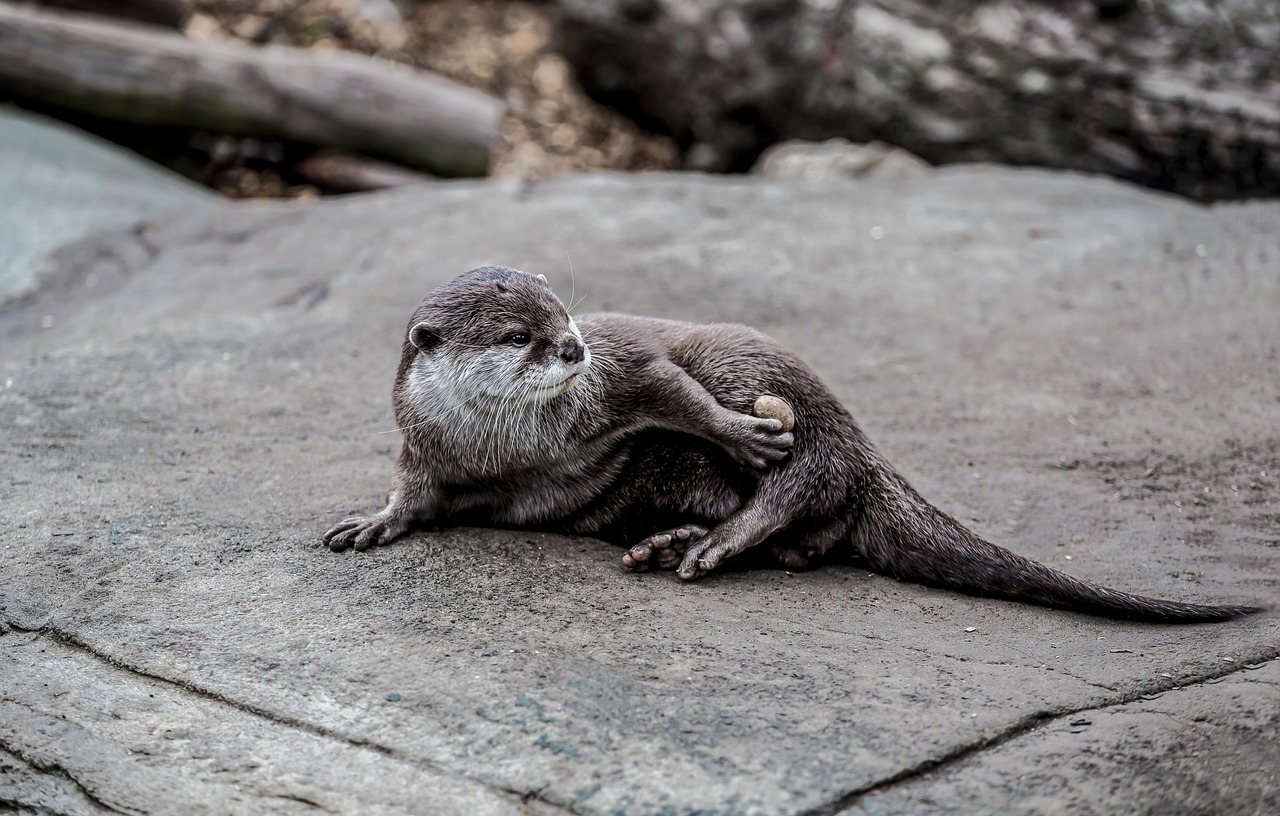
The outdoor trail is the core. Time your loop to the posted feedings — sea otters several times a day, the seals and sea lions twice, plus pelican and aviary sessions — and the visit gains a rhythm. The aviary is the hidden headliner: puffins diving under glass and perching an arm's length away are a sight few aquariums anywhere can match.
Passages of the Deep then delivers the sharks: three linked underwater tunnels — Orford Reef, Halibut Flats and the Open Sea shark tunnel — that move from dark rocky canyons to busy sandy flats to the open blue, with big sharks and rays drifting past. It is the strongest sharks moment on the Northwest coast. Paid encounters, including an octopus encounter and behind-the-scenes tours, are worth checking for older kids and adults; a sea jelly touch encounter is the gentler option, and all encounters are for ages eight and up. The aquarium also rehabilitates stranded animals and has partnered on work toward returning sea otters to Oregon, where they were hunted out more than a century ago, which gives the otter habitat a bigger story.
Practicals: parking is free with admission and buying online lets you skip the ticket line. There is a cafe and coffee shop on site. Allow three hours. Pair it with the Hatfield Marine Science Center Visitor Center next door, Newport's bayfront sea lions, and the Yaquina Head tidepools; Haystack Rock in Cannon Beach is a scenic drive north.
What to Expect
Format
A largely outdoor coastal aquarium on Yaquina Bay — sea otter and pinniped pools, a walk-through seabird aviary, indoor shore galleries and the Passages of the Deep shark tunnels.
Best Time
Late morning on a dry day to catch the first otter and pinniped feedings; summer weekends are busiest.
Duration
About three hours.
Tips
Plan the loop around the daily feeding schedule. Bring a rain layer for the outdoor trail. Leave time to stand in the aviary while the puffins dive.
⚡ Quick Picks
Best For
The aquarium stop on an Oregon coast road trip.
Families
Very good — otters, sea lions, a touch pool and tunnels.
Couples
A coastal weekend classic, paired with Nye Beach dinners.
Pair With
Hatfield Marine Science Center next door and Haystack Rock tidepools up the coast.
Time Needed
Three hours.
Ready to book Oregon Coast?
Get Tickets →Frequently Asked Questions
Is the Oregon Coast Aquarium indoors or outdoors?
Both — the otters, seals and sea lions and the seabird aviary are outdoors, while the galleries and Passages of the Deep are indoors. Dress for the coast.
When are the feedings?
Otters are fed several times a day and the pinnipeds twice, with pelican and aviary sessions too; check the posted daily schedule.
Is parking free?
Yes, parking is free with admission. Children two and under get in free, and buying tickets online ahead of time lets you skip the ticket line on busy summer weekends.
Was Keiko really here?
Yes — the orca from Free Willy lived at the aquarium in the late 1990s before moving toward release in Iceland.
What is nearby?
The Hatfield Marine Science Center Visitor Center is next door, Newport's historic bayfront is across the bridge, and the Yaquina Head tidepools are a short drive north.
More Aquarium Attractions
Browse all →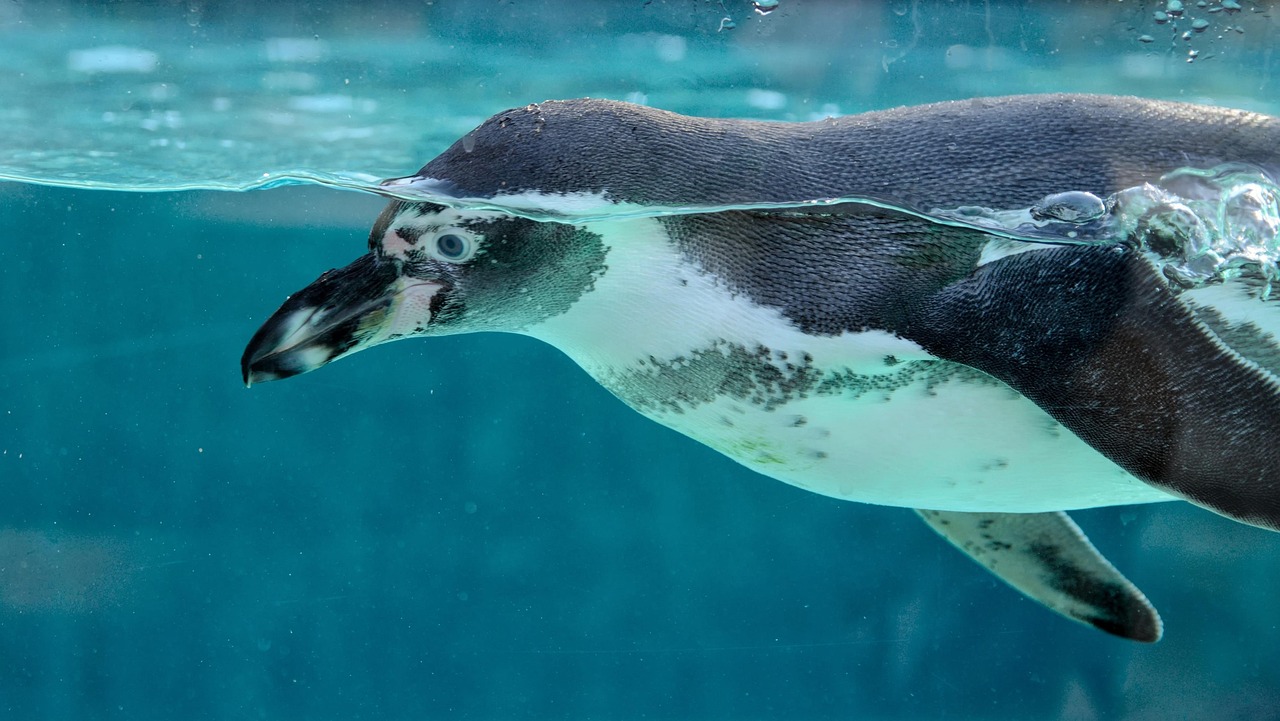
Hatfield Marine Science Center Visitor Center
Oregon State's working marine lab opens its doors for a small fee — a giant Pacific octopus, tidepool touch tanks and a tsunami wave tank, next door to the Oregon Coast Aquarium in Newport.
Seattle Aquarium & Ocean Pavilion
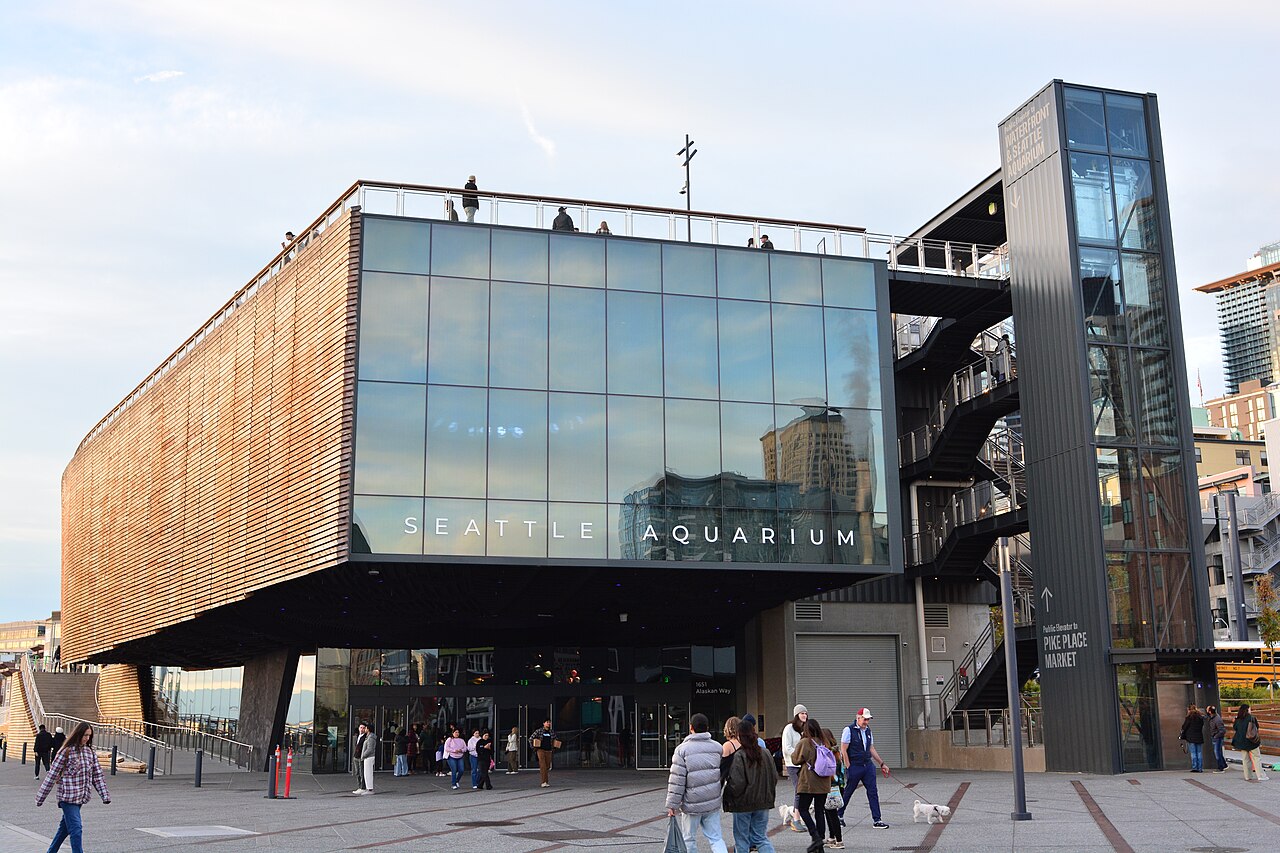
The Pacific Northwest's window — Puget Sound's octopus and otters on the working waterfront, now joined by the Ocean Pavilion: a 2024 expansion whose one-way reef hall and 500,000-gallon archway reset the city's skyline-to-sea walk.
Haystack Rock Tidepools, Cannon Beach
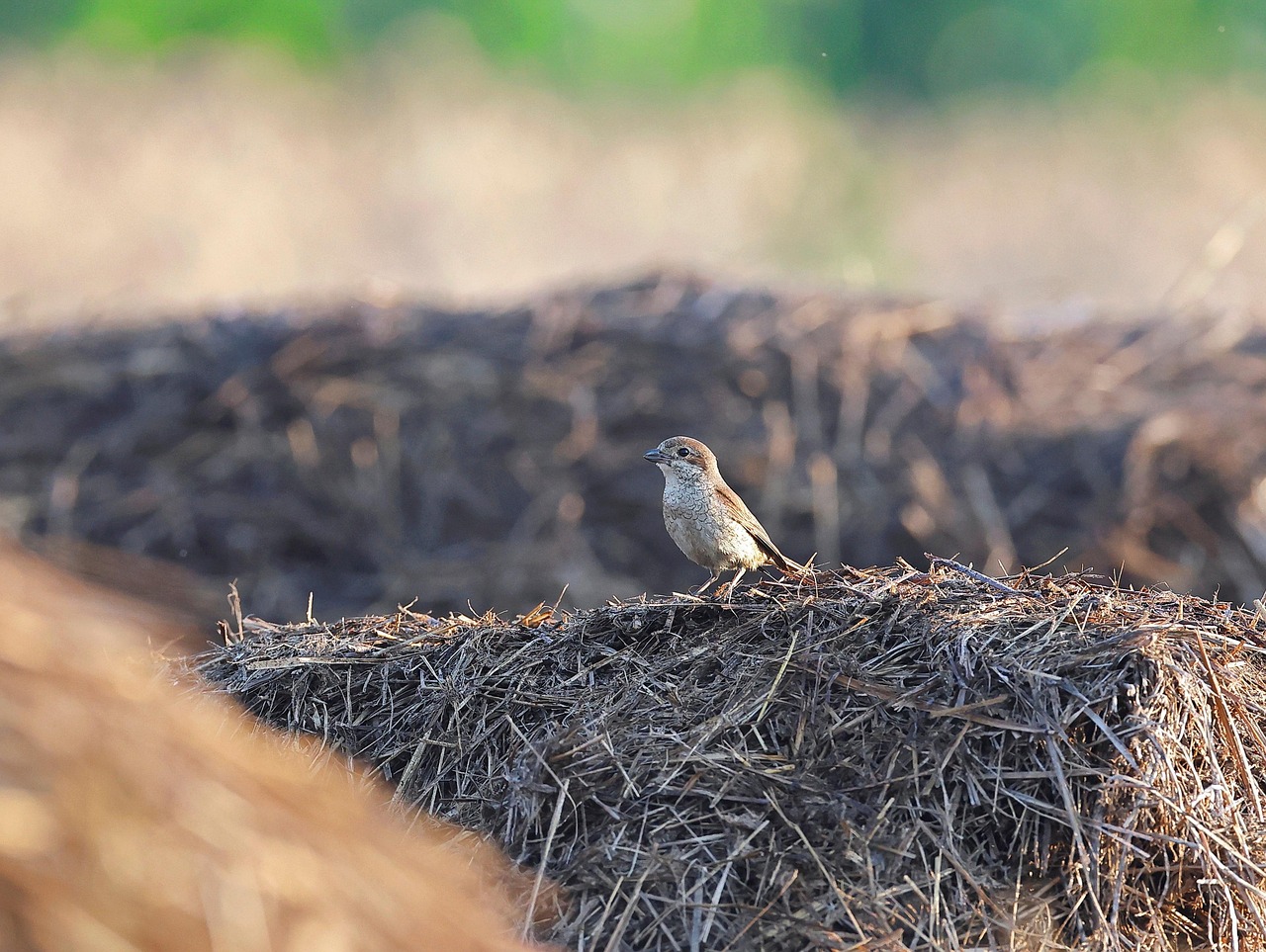
The Oregon coast's living aquarium with no walls — sea stars, anemones and nudibranchs at low tide beneath a 235-foot sea stack, and tufted puffins nesting overhead in early summer.